Introduction to Modern Fabrication Techniques
Metal fabrication has seen significant advancements in recent years, particularly in the bending and shaping of metal sheets. Modern industrial operations demand precision, efficiency, and consistency, which has led to the development of advanced machinery capable of meeting these standards. With the integration of automation and precise controls, manufacturers can produce high-quality components while reducing material waste and labor costs.
How Metal Bending Machines Work
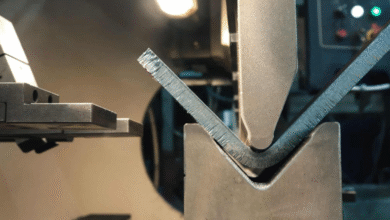
Contemporary metal bending machines operate using hydraulic and mechanical systems that allow controlled pressure to shape metal accurately. By applying force uniformly across the sheet, these machines ensure precise bend angles and consistent results. Advanced digital interfaces allow operators to program specific parameters, enabling complex designs to be replicated efficiently.
Automation reduces human error and increases production speed. Operators can store programs for repeated tasks, which simplifies the process for both small and large-scale manufacturing operations.
Types of Modern Bending Machines
There are several types of machines commonly used in industrial metal bending:
Mechanical Machines: Utilize levers and gears to perform bends, suitable for lighter metal sheets and simpler designs.
Hydraulic Systems: Employ fluid pressure to bend thicker metals smoothly, making them ideal for heavy-duty applications.
Computer-Assisted Machines: Combine digital controls with hydraulic or mechanical systems, providing high precision and repeatability.
Among these, hydraulic systems are especially valued for their ability to handle a wide range of materials while maintaining consistent force and minimizing the risk of material deformation.
Benefits of Using Advanced Machines
Integrating modern machines into manufacturing workflows provides several advantages:
High Precision: Ensures bends meet exact specifications with minimal deviation.
Improved Efficiency: Reduces manual labor and accelerates production cycles.
Versatility: Capable of handling various metal types and thicknesses.
Operational Reliability: Performs consistently during extended production runs.
These benefits allow manufacturers to increase output, reduce operational costs, and maintain high-quality standards.
Choosing the Right Machine
Selecting the appropriate machine involves careful consideration of several factors:
Material Compatibility: Different metals respond differently to bending; the machine must accommodate the material’s characteristics.
Production Volume: High-volume operations require machines that can sustain long-term, continuous use.
Precision Requirements: Industries such as automotive and aerospace often require extremely tight tolerances.
Maintenance and Support: Machines with easy access to service and support reduce downtime and extend operational life.
A well-chosen machine ensures long-term productivity and safety while minimizing unexpected production issues.
See also: Latest Cooling Techniques in Data Centers
Integration with Modern Manufacturing Systems
Many modern machines can integrate with factory automation systems, enabling real-time monitoring and workflow optimization. This integration allows predictive maintenance, reduces downtime, and enhances overall efficiency. Connected systems help manufacturers collect performance data and adjust production parameters, contributing to smarter and more efficient manufacturing processes.
Safety and Environmental Considerations
Safety is a critical factor in industrial operations. Advanced machines are equipped with protective features, including emergency stops, safety guards, and automated shut-offs, to prevent accidents. Additionally, energy-efficient designs reduce electricity consumption and environmental impact, aligning production with sustainable industrial practices.
Training and Skilled Operation
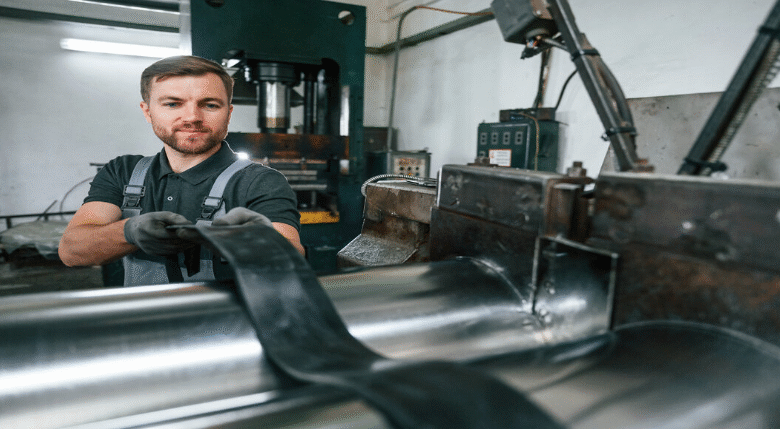
Despite automation, skilled operators remain essential for optimal performance. Proper training ensures that personnel can program, operate, and troubleshoot machines efficiently. Combining human expertise with advanced solutions such as a
hydraulic press brake machine
enhances productivity, reduces errors, and ensures the quality of finished components.
Future Trends in Metal Bending Technology
The next generation of metal bending machines is expected to incorporate artificial intelligence and machine learning, allowing equipment to adjust parameters automatically based on material properties and past performance. Advances in lightweight and energy-efficient designs will also expand the versatility and accessibility of these machines, making them suitable for more specialized industrial applications.
Conclusion
Modern metal bending machines have transformed industrial manufacturing by providing precision, efficiency, and versatility. Understanding their capabilities and applications helps manufacturers improve productivity, maintain high-quality standards, and meet increasing industrial demands. As technology continues to evolve, these machines will remain crucial in shaping the future of metal fabrication.