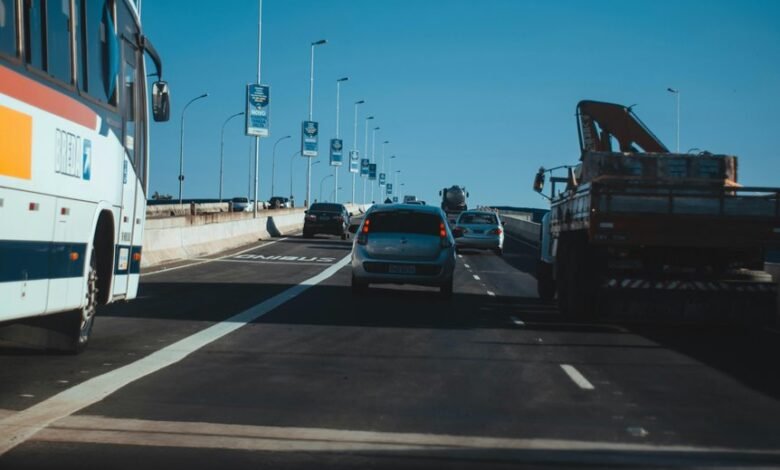
Intelligent Traffic Systems (ITS) are set to transform urban mobility by 2037634000. These systems leverage real-time data analytics for effective traffic management, optimizing flow and reducing congestion. The integration of smart navigation tools enhances commuter experiences while promoting sustainable practices. This evolution not only addresses current urban challenges but also positions local economies for growth. However, understanding the implications of ITS on business dynamics remains crucial for stakeholders moving forward.
How Intelligent Traffic Systems Drive Business Growth
As urban environments become increasingly congested, the implementation of Intelligent Traffic Systems (ITS) emerges as a pivotal strategy for enhancing business growth.
By utilizing automated analytics and predictive modeling, ITS facilitates optimal traffic flow, reducing delays and improving accessibility.
This efficiency not only bolsters local commerce but also attracts new businesses seeking to capitalize on streamlined transportation networks, ultimately fostering economic development.
The Role of Real-Time Data in Traffic Management
Real-time data serves as a cornerstone in the effective management of traffic systems, enabling immediate responses to fluctuating conditions on roadways.
Through real-time analytics, traffic optimization becomes achievable, allowing for dynamic adjustments to signal timings and route selections.
This data-driven approach not only enhances flow efficiency but also empowers authorities to make informed decisions, ultimately fostering a more liberated commuting environment.
Enhancing Commuter Experience Through Intelligent Solutions
Although traffic congestion remains a persistent challenge in urban environments, intelligent solutions have emerged to significantly enhance the commuter experience.
Smart navigation technologies, leveraging real-time data, provide optimal routing, reducing travel times.
Furthermore, enhanced user engagement through mobile applications informs commuters of traffic conditions and alternative routes, fostering informed decision-making.
These advancements collectively contribute to a more efficient and satisfying journey for urban travelers.
Sustainable Urban Development: The Future of Smart Cities
While urban areas continue to expand, the concept of sustainable urban development has emerged as a critical framework for shaping the future of smart cities.
This approach prioritizes urban mobility through the integration of smart infrastructure, ensuring efficient transportation systems and reduced energy consumption.
Conclusion
In the burgeoning landscape of urban mobility, Intelligent Traffic Systems emerge as the architects of a new era, meticulously weaving together data and technology to sculpt seamless transportation networks. As they harness real-time analytics, these systems not only alleviate the burdens of congestion but also breathe life into local economies, fostering sustainable growth. Ultimately, the integration of intelligent solutions heralds a transformative journey toward smarter, greener cities, where the rhythm of urban life dances harmoniously with innovation and sustainability.