A City in Motion: How Urban Development Is Reshaping Singapore’s Residential Landscape
Singapore’s skyline never stands still. Cranes, hoardings and new construction are part of the country’s rhythm, and each wave of development reshapes how and where people live. Understanding these broader forces helps explain why neighbourhoods evolve as they do and why housing choices today look different from those of a generation ago.
Urban development in Singapore is not random. It follows long-term planning, with attention to land use, transport, green space and community needs. The result is a residential landscape that is constantly being refined.
Planning for Scarce Land
With limited land area, Singapore has to make careful decisions about how each site is used. Residential, commercial, industrial, recreational and infrastructural needs compete for space, and planners balance these demands through long-range frameworks that guide growth.
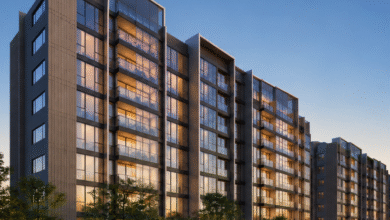
For housing, this has led to a strong tradition of high-rise, high-density living supported by good design and shared amenities. Increasingly, there is also a focus on intensifying underused areas, converting older sites and integrating homes with workplaces, retail and community facilities.
Transport as a Shaper of Neighbourhoods
New transport links often catalyse residential change. Areas that gain improved accessibility tend to attract fresh investment, new amenities and shifting demographics. Over time, a quiet pocket can become a lively hub, and a formerly peripheral district can become a desirable place to live.
For homebuyers, this means that the surroundings of a home may evolve significantly during ownership. Those looking at developments such as Berlayar Drive Residences can benefit from reviewing publicly available planning information to understand the broader direction of an area, while keeping in mind that proposals may change.
Mixed-Use Living
The traditional separation of homes from shops and offices has softened. Mixed-use developments allow residents to access daily needs, dining and sometimes employment within a short walk. This reduces travel, supports local businesses and creates livelier streets.
There are trade-offs, of course. Mixed-use areas may bring noise, crowds and late-night activity, so good design and sensible zoning are crucial. Yet for many households, the convenience and vibrancy outweigh the drawbacks, especially when residential floors are well insulated from busier podium levels.
Green and Blue Networks
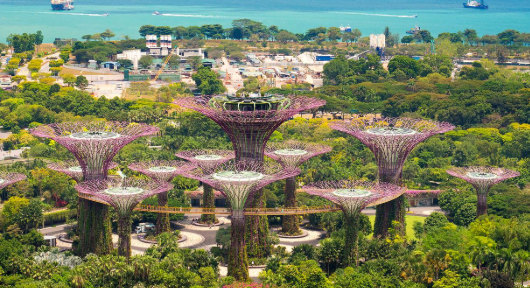
Singapore has invested in park connectors, waterways and nature reserves that weave through the city. Residential development increasingly connects to these networks, offering residents access to walking and cycling routes and a sense of openness. Rain gardens, naturalised canals and community gardens integrate ecological functions with leisure.
These features raise quality of life and strengthen resilience to heavy rainfall and rising temperatures. Neighbourhoods with good green and blue connections tend to feel more relaxed, a quality that many buyers have come to prize.
Renewal and the Older Neighbourhood
Not all change involves greenfield construction. Renewal of older estates, redevelopment of ageing buildings and adaptive reuse of existing structures contribute to the changing landscape. Respectful renewal can retain community character while providing improved facilities and modern standards.
This is a delicate process, as residents often have deep attachments to places. Successful projects tend to involve consultation, preserve familiar landmarks where possible and ensure that benefits are shared broadly rather than concentrated in a few new buildings.
Coastal and Waterfront Living
Coastal and waterfront districts hold particular appeal, offering open views, sea breezes and a sense of space unusual in a dense city. They also pose challenges, including exposure to wind and salt air, and the need to plan for long-term climate considerations. Design must account for these conditions with robust materials and thoughtful drainage.
Prospective residents of eastern coastal areas, and those looking at Bayshore Drive Residences, may find it useful to understand how neighbourhood-level planning, from parks to transport, shapes daily life in such settings, without relying on assumptions about any single project.
See also: Designing and Building Your Dream Home
Demographic Shifts
Housing demand is influenced by changing demographics. Smaller households, an ageing population and greater diversity in family structures affect the types of units that are needed. Developers and planners respond with a wider range of unit sizes, accessible designs and facilities that support multiple generations.
Intergenerational living, whether through adjacent units or shared households, is one example of how design adapts to social trends. Well-planned communal spaces help bring different age groups together.
What Buyers Can Take From This
For individual buyers, the broader lesson is to see a home as part of an evolving context. Researching the neighbourhood’s trajectory, visiting at different times, and speaking with residents provide valuable perspective. Staying realistic is equally important: planning outcomes can shift, and the surroundings of a home may change in ways that are not entirely predictable.
A resilient choice is one that works well today and has the flexibility to adapt tomorrow.
Climate Adaptation and Resilience
Urban development today is shaped by climate considerations. Drainage networks, coastal protection, shaded streets and cooling green spaces are increasingly integrated into planning. Residential projects must also respond by managing stormwater on site, using heat-reducing materials and providing outdoor spaces that remain usable in hot weather. These measures improve everyday comfort as well as long-term resilience, and they influence how neighbourhoods are designed from the ground up.
Public Spaces and the Social Fabric
Housing does not exist in isolation. Hawker centres, libraries, playgrounds, community clubs and sports facilities knit residential areas together, giving neighbours places to meet. Planners recognise that the success of a neighbourhood depends on these everyday gathering points. When new residential projects arrive, how well they connect to the existing public realm influences whether they feel like part of the community or a separate enclave. Good integration benefits newcomers and long-time residents alike.
Pace of Change and Patience
Large urban projects unfold over years, and living through construction can be disruptive. Dust, noise and temporary road diversions are part of the process, and buyers should consider how long such activity might continue around a prospective home. Equally, patience can reward residents when the finished surroundings mature, with trees growing, facilities opening and routes becoming established. Understanding this cycle helps set realistic expectations about the early years of living in a developing area.
Reading the Neighbourhood Yourself
Official plans tell part of the story, but walking the area tells the rest. Notice where people gather, how sheltered the paths are, which shops stay busy and whether the streets feel safe in the evening. Speak with local shopkeepers and residents about changes they have seen. This ground-level research complements planning documents and helps buyers form a rounded view of how a neighbourhood actually functions.
Final Thoughts
Urban development quietly shapes the experience of living in Singapore, influencing transport, amenities, nature and community life. By understanding the forces at work, buyers can make decisions that reflect not just a single property but the wider city around it. In a place where change is constant, informed curiosity remains one of the best tools a homebuyer has.