Designed to Last: Creating Long-Term Value Through Thoughtful Residential Design
Property value is often discussed in terms of price movements, but anyone who has lived in a home for several years knows that value has another meaning too. It is the accumulated benefit of a home that works: one that is comfortable, easy to maintain, adaptable to changing needs and pleasant to return to. Design is central to all of this.
Market conditions will always influence prices, and no design choice can guarantee a particular outcome. Still, certain qualities consistently help homes hold their appeal.
Good Bones Matter
The fundamental layout of a home is hard to change, which makes it one of the most important things to evaluate. A well-proportioned plan with sensible circulation, logical room relationships and good access to light and air will serve successive occupants well. Awkward geometries, wasted corridors and poorly positioned services may be difficult to fix.
Buyers often focus on finishes, which are easily changed, rather than the underlying structure. It can be useful to imagine a unit stripped of its showroom styling and ask whether the bones are sound.
Flexibility Is a Form of Insurance
Lives change, and homes that can change with them tend to age well. Rooms that can serve as a bedroom, study or nursery, partitions that can be moved or removed and generous storage all contribute to adaptability. These features allow a household to evolve without moving.
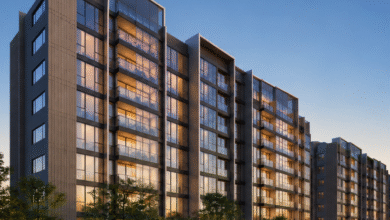
Flexibility also supports the long-term attractiveness of a property to future buyers or tenants, who bring their own needs. A rigid layout narrows the audience, while an adaptable one widens it. Many buyers evaluating Berlayar Drive Residences or comparable developments will naturally consider how a unit might be used in different seasons of life.
The Value of Quality Construction
Workmanship is difficult to appreciate in a short viewing but becomes obvious over time. Sound waterproofing, well-fitted doors, level floors and properly installed services contribute to a home that feels solid and requires fewer repairs. Defects, once discovered, can be disruptive and costly.
Checking a unit thoroughly at handover, including taps, drainage, door operation, tiling and electrical points, is a worthwhile step. Documenting issues and ensuring they are addressed within the applicable defect liability period protects the owner’s investment.
Running Costs and Maintenance
A home’s price is only part of its financial picture. Energy bills, maintenance fees, repairs and eventual renovations all contribute to the true cost of ownership. Efficient design lowers some of these costs: good daylight reduces lighting needs, cross-ventilation reduces cooling demand and durable materials limit repairs.
Understanding how a development is managed is also important. Well-maintained common areas, responsible financial management and engaged residents help preserve both liveability and market appeal. Buyers can ask about management practices, review available information and observe the condition of existing developments in the same area.
Community and Shared Spaces
A pleasant, well-run community adds to long-term satisfaction. Shared spaces that are well designed, maintained and used create opportunities for connection and make a development feel alive. Poorly planned or neglected facilities can have the opposite effect.
The relationship between private and shared space deserves attention. Adequate privacy within the unit, balanced with convenient access to communal areas, helps residents feel both secure and connected. When developments like Bayshore Drive Residences are compared with others, the quality of communal planning is one dimension worth examining carefully.
Timeless Over Trendy
Fashion changes quickly. Strong colours, novelty finishes and fashionable fixtures can date a home within a few years. Timeless design, built on good proportions, quality materials and restraint, tends to remain appealing. This does not mean blandness; it means building a neutral, high-quality base and expressing personality through furnishings and accessories that are easy to change.
Investing in the elements that are hard to replace, such as layout, joinery and flooring, while treating decoration as flexible, is a sensible principle for both owner-occupiers and investors.
Sustainability and Future-Readiness
Homes that are efficient, comfortable and adaptable are better positioned for a future in which energy costs, climate considerations and regulatory expectations may change. Provision for future technology, such as extra conduits, capable wiring and adaptable systems, also supports longevity.
Resilient design, which handles heavy rain, heat and humidity, protects the building fabric and the comfort of occupants. These qualities are not flashy but they are the foundation of lasting value.
Making Decisions With Clear Eyes
It is wise to separate what is known from what is speculated. Design quality, location, build standards and management practices can be examined and assessed. Future price movements cannot. Staying grounded, seeking professional advice where appropriate and being honest about your own needs and finances lead to better outcomes than chasing trends.
For many households, the best measure of value is how much the home improves their daily life over a long period.
Learning From Existing Owners
One of the most reliable sources of insight is people who already live in comparable homes. Ask about noise, heat, maintenance, how responsive management is and what they would change. Owners will often mention issues that never appear in sales material, such as how long lifts take at peak times or how well drainage copes in a storm. Their experience helps translate design intentions into real-world performance and brings useful honesty to the decision.
Renovating With the Future in Mind
When owners eventually renovate, restraint pays. Preserving good layouts, upgrading services where needed and choosing quality over quantity keeps costs under control and respects the original design intent. Planning for accessibility, for example with wider doorways and slip-resistant surfaces, anticipates later needs. Keeping documentation of works and materials also helps future owners understand the home, which supports its long-term standing. Thoughtful renovation is not about erasing what is there but refining it so the home continues to serve its occupants well.
Insurance, Documentation and Peace of Mind
Protecting a home is part of preserving its value. Keeping records of purchase documents, warranties, renovation permits and servicing history makes future transactions smoother and helps resolve disputes. Appropriate insurance coverage for fire, water damage and contents offers further security. These administrative habits are not exciting, yet they underpin the confidence that comes with responsible ownership and often matter when a property changes hands.
See also: Smart Home Technology and the Future of Urban Living in Singapore
Final Thoughts
Long-term value flows from thoughtful decisions: a sound layout, flexible spaces, quality construction, sensible running costs and a supportive community. No design can remove all uncertainty, but homes built on these principles tend to remain comfortable and desirable through changing circumstances. For buyers in Singapore, focusing on enduring qualities rather than passing fashions is a reliable way to choose well.