The phrase “smart home” once conjured images of voice-controlled lights and novelty gadgets. Today it covers something far more practical: connected systems that help households manage energy, security, comfort and time. In a compact, highly connected city such as Singapore, where digital adoption is high and living spaces are efficient, smart technology fits naturally into everyday routines.
Yet the label can be misleading. A home full of devices is not necessarily a well-designed home, and the real question is how technology serves the people who live there.
From Gadgets to Systems
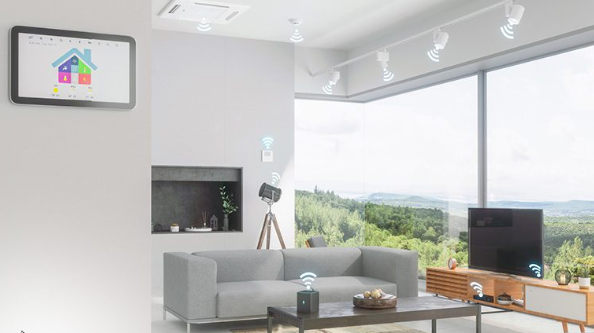
Early smart devices tended to work in isolation, each with its own app and its own quirks. The trend now is toward integrated systems in which lighting, climate control, access and monitoring operate together. A single scene might dim the lights, lower the air-conditioning setpoint and lock the door when a household goes to bed.
For developers and homeowners, integration matters more than the number of devices. A modest set of reliable, interoperable features usually beats an extravagant array that nobody understands. Interoperability standards continue to mature, which makes it easier to mix products from different makers without being locked into one ecosystem.
Energy Awareness in a Cooling-Heavy Climate
In Singapore, cooling is the largest source of energy use in many homes. Smart thermostats, occupancy-aware controls and scheduling features can trim waste without sacrificing comfort. Simple examples include turning off cooling when a room is empty or pre-cooling a bedroom shortly before bedtime.
Energy dashboards also change behaviour by making consumption visible. When a household sees which appliances consume the most power, adjustments follow naturally. The effect is modest on any one day but meaningful across years. Prospective buyers of modern units, including those considering Berlayar Drive Residences, may want to confirm directly with the developer what smart provisions are actually offered, rather than assuming, because specifications differ widely between projects.
Security and Peace of Mind
Digital locks, video entry systems and monitored access points have become familiar features. They can make it easier to welcome visitors, manage deliveries and keep an eye on a home while travelling. For families, features that notify parents when children arrive safely can add reassurance.
Convenience, however, brings responsibility. Connected devices should be protected with strong passwords, regular updates and sensible network settings. A smart lock that is poorly secured is worse than a traditional one. Households should treat their home network with the same care as any other important system.
Privacy and Data
Smart homes generate information about when people are at home, what they use and how they live. Responsible design means collecting only what is needed, storing it securely and giving residents clear control. Before adopting any platform, it is reasonable to ask what data is gathered, where it goes and how it can be deleted.
This is not an argument against technology but a reminder that good products respect users. As the market matures, privacy-conscious design is likely to become a stronger point of differentiation.
Wellbeing and Daily Rhythm
Technology can support wellbeing in understated ways. Circadian-friendly lighting that shifts from cool to warm through the day, air-quality sensors that prompt ventilation and noise-aware settings can all contribute to a more restful environment. Tools to automate repetitive tasks, such as scheduling a robot vacuum or managing laundry reminders, free time for things people actually value.
Remote work has increased interest in this area. A home that supports concentration, with controllable lighting, stable connectivity and quiet zones, becomes a more effective workplace as well as a pleasant retreat.
Building Smart Infrastructure Into Developments
Smart living works best when infrastructure is planned from the outset. Reliable in-building connectivity, adequate cabling, sensible placement of sockets and flexible conduits make later upgrades far simpler than retrofitting. At the development scale, shared systems for parcels, visitor management and facility booking can ease daily friction.
Developments like Bayshore Drive Residences belong to a market where such expectations are rising. Buyers increasingly see good digital infrastructure as part of a home’s basic quality, comparable to decent plumbing or ventilation, and they may reasonably ask about it during viewings.
Avoiding Technology for Its Own Sake
Not every task needs automation. A switch that works instantly is hard to beat, and homes that depend on apps for basic functions can become frustrating when the network drops or a service ends. Good design provides manual backups, so the household is never stranded by a software glitch.
It also pays to consider lifespan. Devices evolve quickly, while a home may last decades. Choosing systems with standard connections and replaceable components helps ensure that today’s purchases do not become tomorrow’s clutter.
Where Urban Living Is Heading
Looking ahead, smart technology will probably become more invisible. Rather than selecting features from a menu, residents will expect homes to adapt quietly: adjusting climate to patterns, flagging maintenance needs and integrating with building-wide services. Sustainability goals will push in the same direction, as data helps buildings use energy and water more efficiently.
At the same time, the human dimension will remain central. Neighbourhood life, access to green space and well-planned layouts cannot be installed through an app.
Making Smart Features Accessible to Everyone
Technology should not exclude anyone. Households with older members or young children benefit from simple controls, clear feedback and fallbacks that do not demand technical skill. Voice commands, large buttons and straightforward schedules can make homes easier to manage for people of different ages and abilities. Good design also anticipates that the person who sets up the system may not be the person who uses it most, so clarity and consistency matter. The best smart homes feel intuitive to a visiting relative on their first evening.
Costs, Upgrades and Realistic Budgets
Smart features range from inexpensive plug-in devices to fully integrated installations. A sensible approach is to start with the tasks that cause real friction, such as lighting scenes, cooling schedules and secure access, and expand gradually. Budgeting should include subscription fees, replacement cycles and the cost of professional installation where needed. Spending carefully on a reliable network and a handful of high-value devices will usually deliver more satisfaction than buying many items that rarely get used.
Setting Household Rules for Shared Technology
When several people share a home, agreeing on how devices behave avoids friction. Who controls the thermostat? Can guests unlock the door? Are cameras active when the household is present? A few simple ground rules, written down or at least discussed, prevent misunderstandings and keep technology feeling helpful rather than intrusive. Reviewing these arrangements every so often is sensible, since habits and needs shift over time.
Final Thoughts
Smart home technology is best understood as a set of tools rather than a destination. In Singapore’s urban context, it can improve efficiency, security and comfort when it is carefully chosen, securely managed and thoughtfully integrated into a well-designed home. Buyers who focus on reliability, privacy and genuine usefulness will find that the smartest home is simply the one that makes everyday life easier.