The Quiet Luxuries: How Natural Light and Fresh Air Improve Everyday Comfort
People rarely tour a home and announce that the ventilation is the deciding factor. They say the place feels “nice,” “airy,” “bright” or “easy to be in.” Very often, what they are responding to is the interplay of light and moving air, two of the most powerful and least glamorous ingredients in residential design.
Unlike a feature wall or a branded appliance, these qualities cannot be added after the fact with much success. They are built into the geometry of a home, and they influence wellbeing every hour of the day.
Daylight and the Body Clock
Exposure to natural light helps regulate sleep patterns, mood and energy. Rooms that receive daylight in the morning tend to support a healthier rhythm, while spaces that remain dim all day can feel draining. This is one reason many people instinctively gravitate toward bright living rooms and well-lit kitchens.
Quality matters as much as quantity. Soft, diffused light is usually more pleasant than direct glare, which can make a room hot and uncomfortable. Designers often use shading, light shelves or frosted glazing to bring in daylight while controlling brightness and heat.
Orientation and Placement
Where a window sits determines what kind of light enters. In Singapore, which is close to the equator, the sun passes high overhead for much of the year, and east and west façades receive stronger low-angle sun at the beginning and end of the day. Windows that face north or south often provide gentler, more consistent daylight.
When viewing a unit, it helps to ask which direction each room faces and to imagine the light across the day. A bedroom that catches harsh afternoon sun might need heavier curtains, while a study with steady, even light might be a pleasure to work in. Prospective buyers exploring Berlayar Drive Residences, or comparing it with other developments, can use this simple analysis to move beyond general impressions.
How Air Actually Moves
Ventilation is about the movement of air through a space, and it relies on openings, pressure differences and temperature gradients. Warm air rises and can escape through high-level openings, drawing cooler air in lower down. Wind pressure pushes air through aligned windows. Layouts that encourage these effects feel naturally fresher.
Obstructions interrupt the flow. Closed doors, solid partitions and heavy furniture positioned in front of windows can all reduce circulation. Simple adjustments, such as leaving internal doors ajar or choosing lower furniture, can noticeably improve how air moves.
Window Types and Their Trade-offs
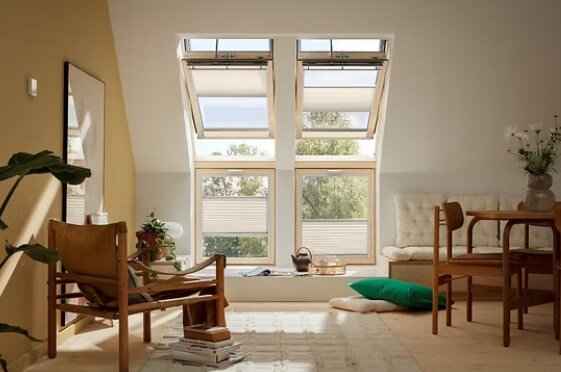
Different window designs offer different benefits. Casement windows swing open to catch breezes, while sliding windows only open half of the frame. Louvred windows allow ventilation even during light rain, and high-level awning windows offer ventilation with greater privacy and security.
Safety and noise are further considerations. Households with young children may need protective measures at windows, and homes facing busy roads may prefer acoustic glazing, which can limit how often windows are opened. Every choice involves a balance, and good design reflects the realities of the household.
Fresh Air, Health and Indoor Quality
Indoor air can accumulate pollutants from cooking, cleaning products, furnishings and occupants themselves. Good ventilation dilutes these and reduces the buildup of moisture that encourages mould. Kitchen extraction, bathroom exhaust and operable windows all contribute.
Paints, adhesives and furniture that release fewer volatile compounds also help. While individual sensitivities vary, households with children, elderly members or allergy concerns often find that improving air quality brings a tangible sense of relief. Plants may add a pleasant touch, though ventilation does most of the real work.
The Role of Outlook
Light and air are intertwined with view. A window that frames greenery or open sky feels very different from one facing a blank wall. Outlook influences how connected residents feel to the outside world, which in turn affects mood and relaxation.
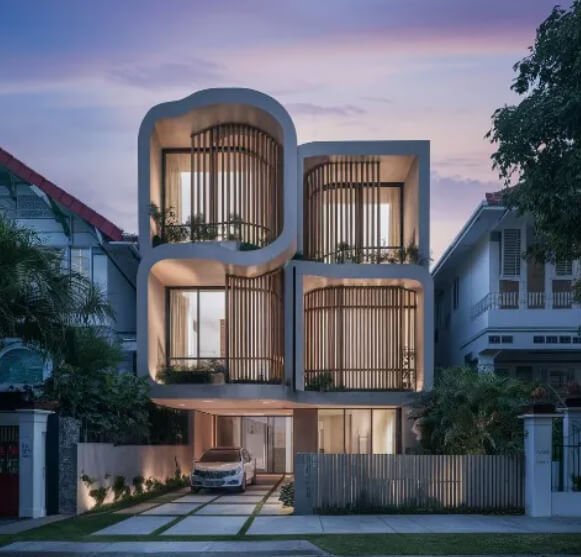
Developments positioned with open aspects or landscaped surroundings offer designers more scope here. Those researching Bayshore Drive Residences might consider how the surroundings of any development influence what residents actually see from their windows, since the immediate environment shapes day-to-day experience as much as the unit’s interior.
Balancing Privacy and Openness
Large windows and open layouts invite light but can compromise privacy. Neighbouring blocks, shared walkways and street activity may call for screening, planting or frosted panels. Creative solutions, such as layered curtains, adjustable louvres and planted balconies, allow residents to modulate openness according to the time of day and their needs.
In dense urban settings, this balance is a constant design challenge. Successful homes provide choice, so occupants can open up when they want to and retreat when they do not.
See also: Designing and Building Your Dream Home
Small Improvements for Existing Homes
Not everyone is choosing a new home. Existing homeowners can improve light and air with modest interventions. Lighter paint colours reflect more daylight. Mirrors can bounce light deeper into a room. Replacing heavy drapes with sheer curtains lets illumination in while maintaining privacy. Clearing windowsills and rearranging furniture can restore airflow.
Where renovation is planned, opening up internal walls or adding glazed partitions can borrow light from brighter areas. Such changes should be considered with care, particularly regarding structural elements and regulations, and professional advice is worth seeking.
Sound Judgment: When Openness Meets Noise
Opening windows for air and light is not always straightforward in a busy city. Traffic, construction and neighbourhood activity can make residents hesitant to leave windows ajar. Layered strategies help: placing bedrooms on quieter sides, using planted buffers, choosing windows that can be partly opened and relying on fans to keep air moving. Having a few ventilation routes that remain comfortable in different conditions means a home stays fresh even when the surroundings are lively.
Testing a Home Before You Commit
A viewing is the best chance to judge light and air first-hand. Visit at more than one time of day if possible, open and close the windows, stand in each room and notice temperature, glare and sound. Observe whether a breeze passes through when doors are open. Take photographs at different hours and compare them later. These simple checks cost nothing and often tell you more about daily comfort than any list of specifications.
Colour, Surface and Reflected Light
The finishes inside a room influence how daylight behaves. Pale walls, ceilings and floors bounce light around and make spaces feel larger, while dark surfaces absorb it. Matte finishes reduce glare, whereas glossy ones may sparkle but can distract. Choosing finishes with light reflectance in mind lets a home make better use of the daylight it already receives, often reducing the need for artificial lighting during the day.
Final Thoughts
Natural light and ventilation are easy to overlook in a showroom but impossible to ignore in daily life. They affect sleep, comfort, health and even the sense of spaciousness. Whether choosing a new home or improving an existing one, paying attention to orientation, airflow, window design and outlook offers one of the most reliable routes to a residence that genuinely feels good to live in.